


Menú

Cárabo uralense
Strix uralensis
Especie de Strigidae


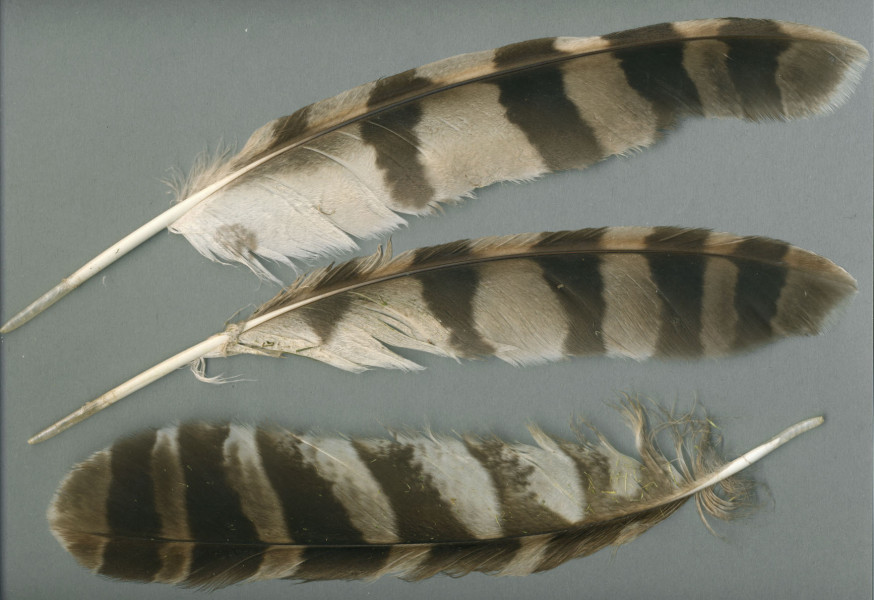
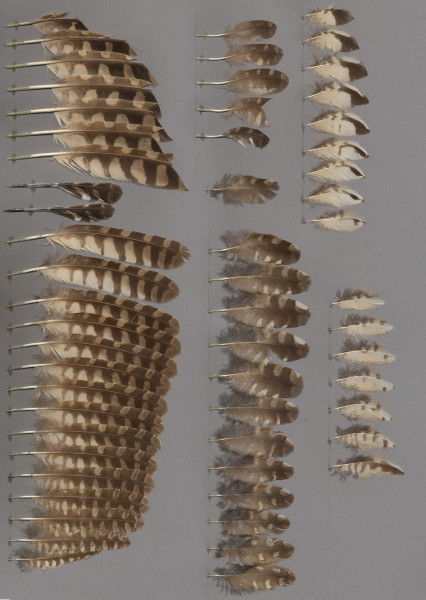
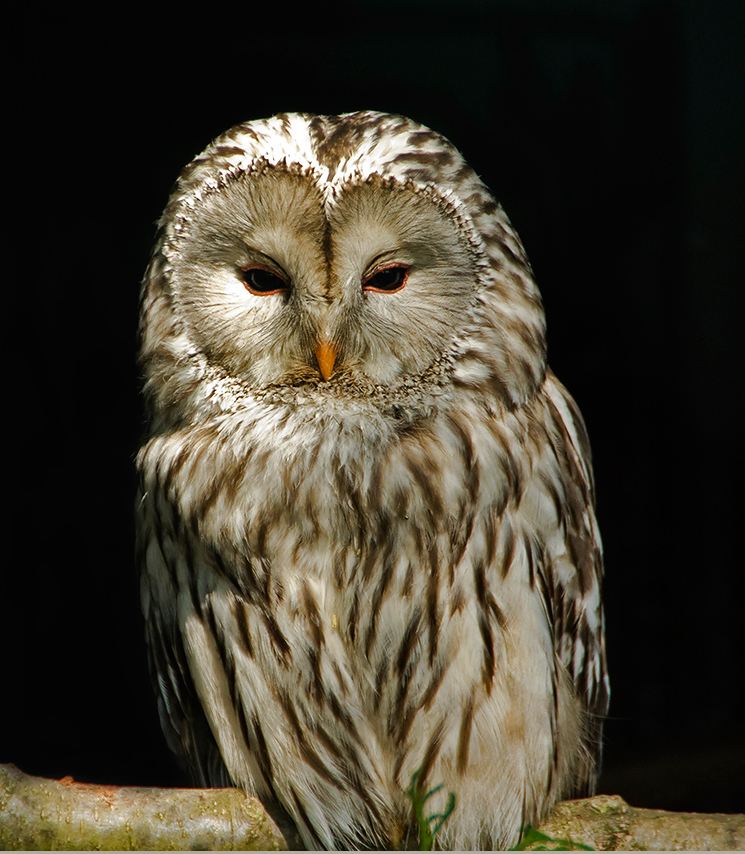
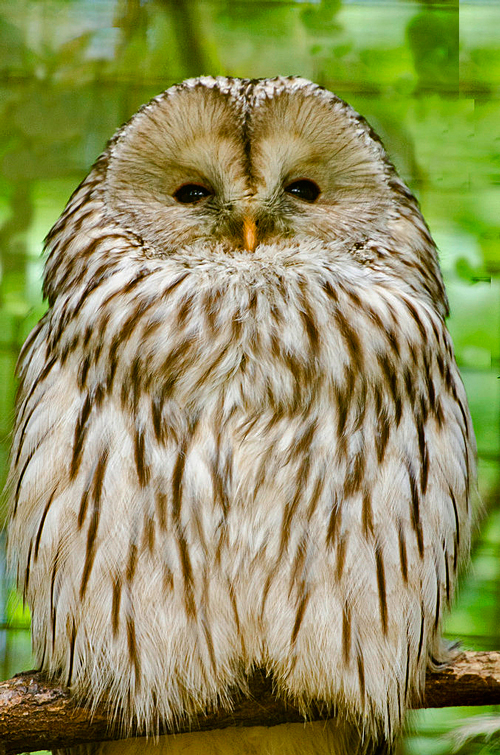
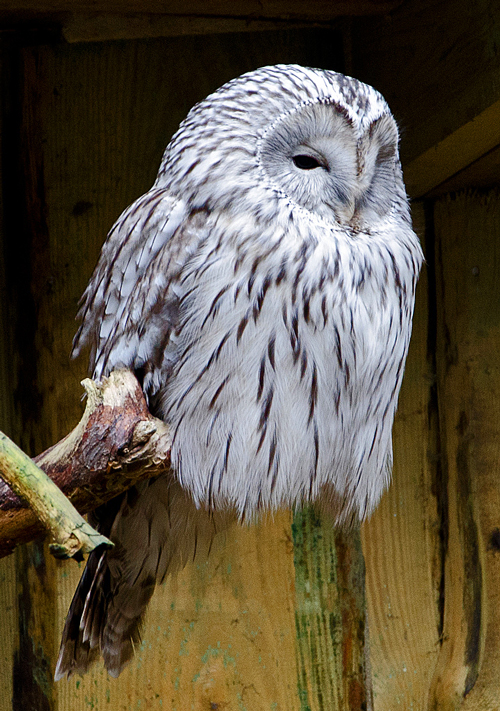
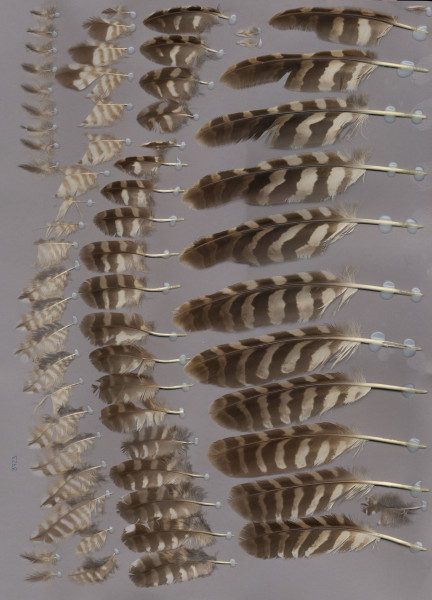
img. 369 © Heidi Bollich

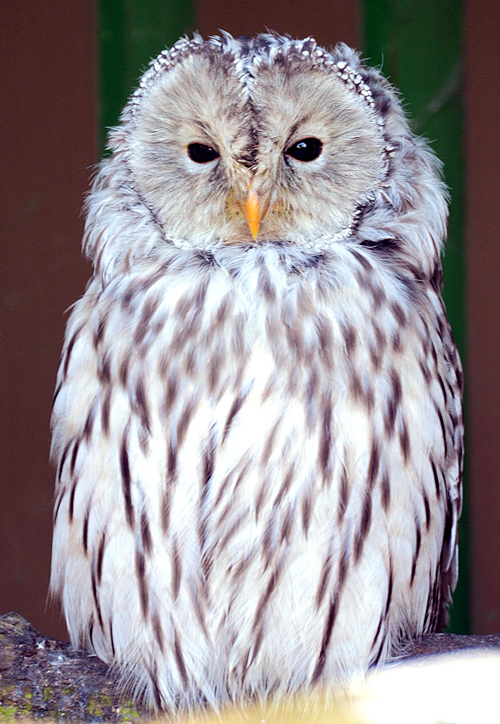
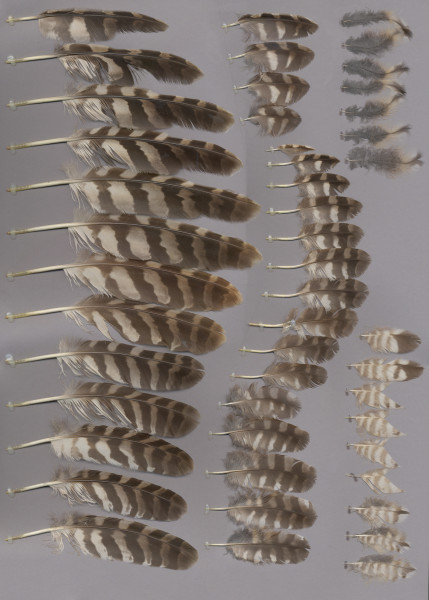
img. 1062 © L Y

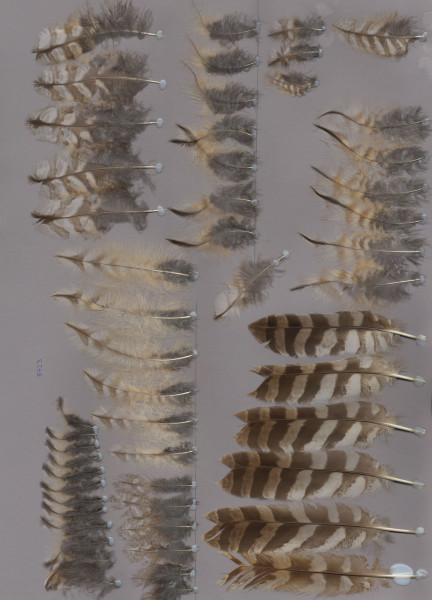
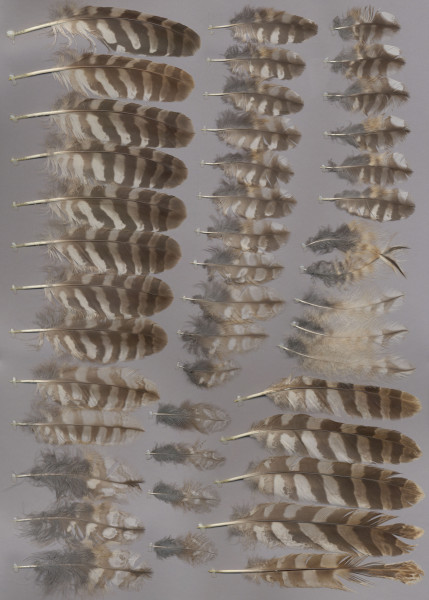
img. 1061 © L Y

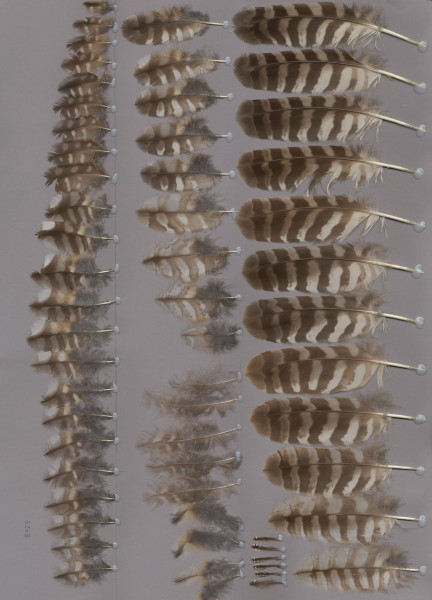
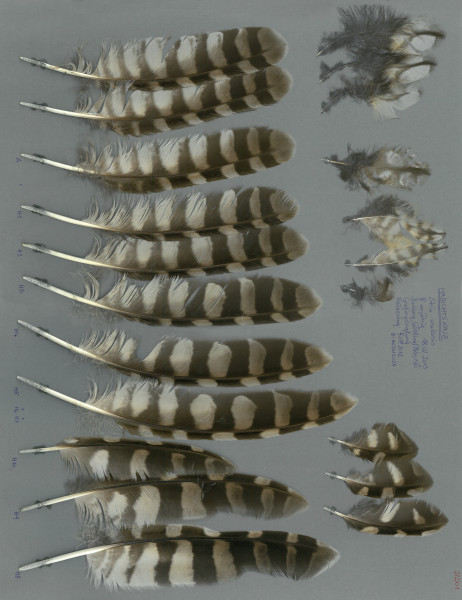
img. 1060 © L Y
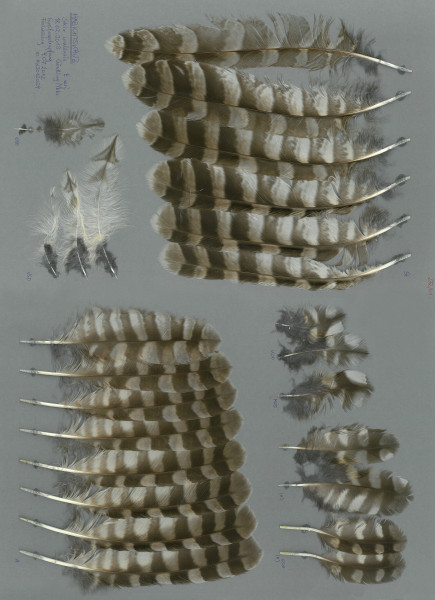
Ad.
2.do a. Hembra
Pluma Número Más Larga
Primaria 10 Por ala 305.5 - 321.0mm n=3
Primaria6 (67%) Primaria5 (33%)
Secundaria 14-15 Por ala 244.5 - 259.5mm n=3
Secundaria3 (33%) Secundaria1 (67%)
Rectriz 12
287.5 - 300.5mm n=3
Rectriz1 (100%)
Anotaciones para los datos de medidas

Número de individuos n

Para las estadísticas de las mediciones de pluma más largas, sólo utilizamos datos de aves que tienen las plumas más grandes presentes. Una pluma rota, perdida o creciente, que podría ser la más larga, descalifica al individuo para la medición. De igual manera, no se incluyen híbridos en las estadísticas, pero aves de diferentes edades (p.ej. gavilanes jóvenes y adultos), sexos (p. ej. gavilanes machos y hembras) y las subespecies se utilizan por igual en el diagrama y, por lo tanto, pueden conducir a una variedad muy amplia de variaciones. Cuanto mayor sea el número de individuos medidos, más precisa será el rango de variación. Los pequeños conjuntos de datos de una o sólo unas pocas aves sólo conducen a resultados aproximados.

Método de medición

The feathers are measured digitally via the scan. A ventral curvature of the feathers is straightened for the measurement, but a caudal curvature is not! Measurements are taken from the start of the calamus to the largest extension of the feather. This does not always have to be the rachis, but can also be the vanes (e.g. in the case of buntings). Special features, such as the wax platelets on the waxwing, are omitted from the measurement.

percentages

The percentages of the individual feathers, e.g. P5, indicate the proportion of individuals in which this feather is the longest of its kind. This information should always be considered in conjunction with the total number of birds measured. An indication of 100% for five individuals is no guarantee that this feather is really always the longest.

Ad.

Distribución por países

extant

Albania · Austria · Belarus · Bosnia and Herzegovina · Bulgaria · China · Croatia · Czechia · Estonia · Finland · Germany · Hungary · Italy · Japan · Korea, Democratic People's Republic of · Korea, Republic of · Latvia · Lithuania · Mongolia · Montenegro · North Macedonia · Norway · Poland · Romania · Russian Federation · Serbia · Slovakia · Slovenia · Sweden · Ukraine ·
source: IUCN 2025. IUCN Red List of Threatened Species. Version 2025-1 <www.iucnredlist.org>
assessment data: |

Owls

Subespecies

Distribución

Fuentes

  • Mebs und Scherzinger (2000): Die Eulen Europas (Kosmos-Berlag, Stuttgart - 396 S.)
  • http://avibase.bsc-eoc.org/species.jsp?avibaseid=E162AEB825EEBCE3
  • http://www.hbw.com/species/ural-owl-strix-uralensis
  • https://de.wikipedia.org/wiki/Habichtskauz
  • https://en.wikipedia.org/wiki/Ural_owl
  • http://datazone.birdlife.org/species/factsheet/22689108
  • http://www.iucnredlist.org/details/22689108/0
  • http://www.owlpages.com/owls/species.php?s=1760
  • http://www.bundesforste.at/fileadmin/naturraummanagement/naturraummanagement/pdf_expertinnenforum/habichtskauz/Der_Habichtskauz_an_der_Westgrenze_seiner_Eurasischen_Verbreitung_Scherzinger.pdf
  • http://www.zobodat.at/pdf/AZBG_29_0005-0016.pdf
  • http://www.npsumava.cz/cz/5501/7636/clanek/
  • http://www.sekj.org/PDF/anzf21/anzf21-277-281.pdf
  • http://www.wildnisgebiet.at/download/habichtskauz/Silva_Fera_71-103_Leditznig.pdf
  • http://www.dzzp.hr/dokumenti_upload/20150821/dzzp201508211307280.pdf
  • http://www.raptors-international.org/book/raptors_in_the_modern_world/Saurola_1989_235-242.pdf
  • https://www.degruyter.com/downloadpdf/j/srj.2014.7.issue-1/srj-2013-0003/srj-2013-0003.xml
  • http://www.xeno-canto.org/species/Strix-uralensis
  • http://www.zobodat.at/pdf/Silva-fera_2_2013_0066-0077.pdf
  • http://www.habichtskauz.at/files/silva_fera1_2013.pdf
  • http://www.wisia.de
  • Svensson, L.; Mullarney, K. & Zetterström D. (2011): Der Kosmos Vogelführer - Vögel Europas, Nordafrikas und Vorderasiens (2. Auflage). Kosmos Verlag, Stuttgart, 400 S.
  • Robert März: Gewöll- und Rupfungskunde (2007), AULA-Verlag, 398 S.
  • Busching, Wolf-Dieter: Einführung in die Gefieder- und Rupfungskunde (2005), AULA-Verlag, 408 S.
  • Brown, Ferguson, Lawrence, Lees: Federn, Spuren und Zeichen der Vögel Europas: Ein Feldführer (Gebundene Ausgabe – April 2005, 4. Auflage, AULA-Verlag, 336 S.)

Estado de conservación

  • CITES
    Apéndice 2
  • Regulation (EG) Nr. 865/2006
    Apéndice A
  • Ley Federal de Conservación de la Naturaleza de Alemania §44
    Estrictamente protegida