


メニュー

ホオジロガモ
Bucephala clangula
Anatidae 内の種


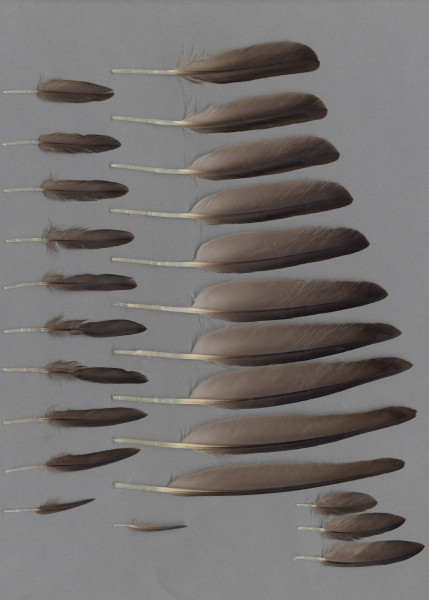
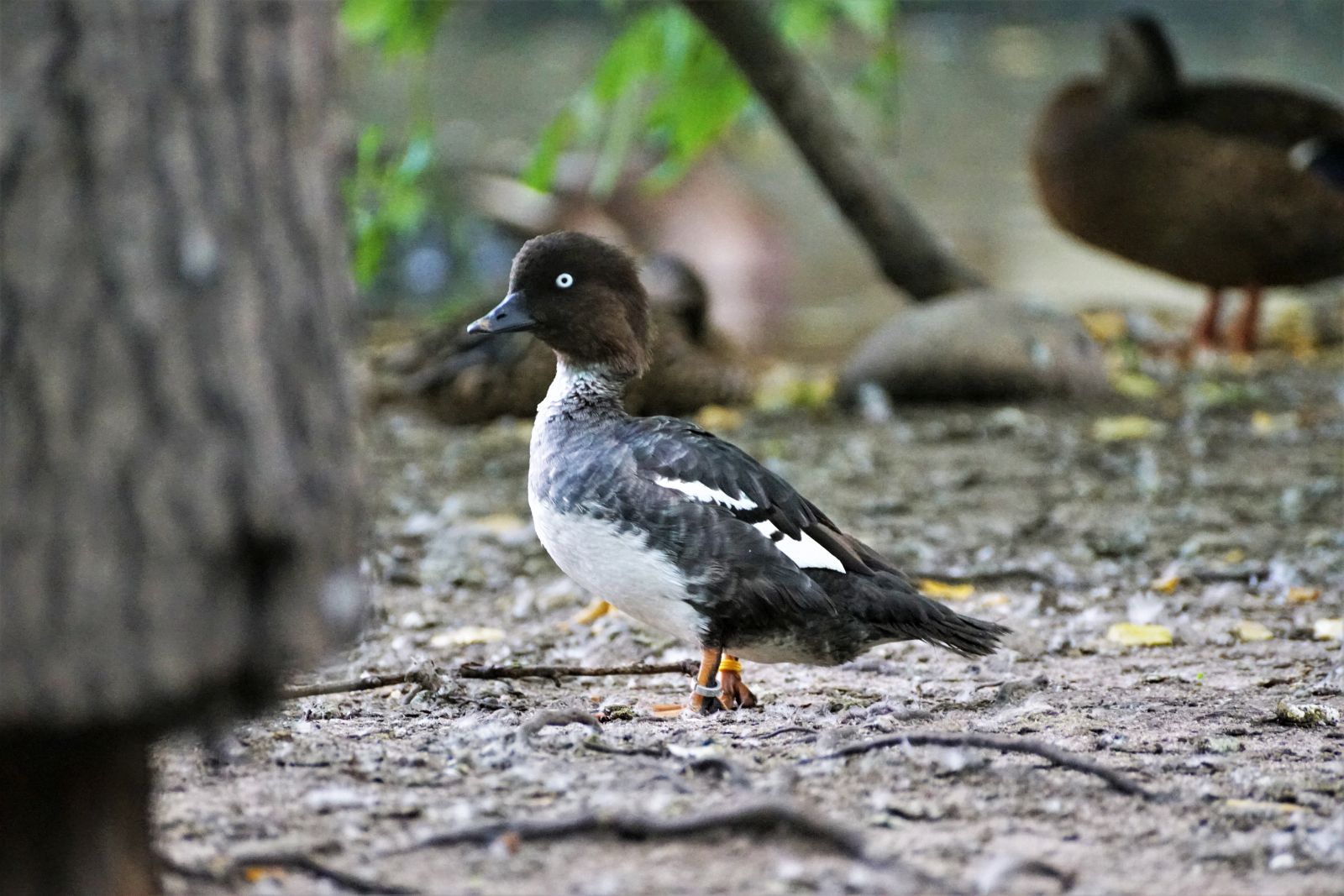
画像. 1185 メス © Markus Sobotka

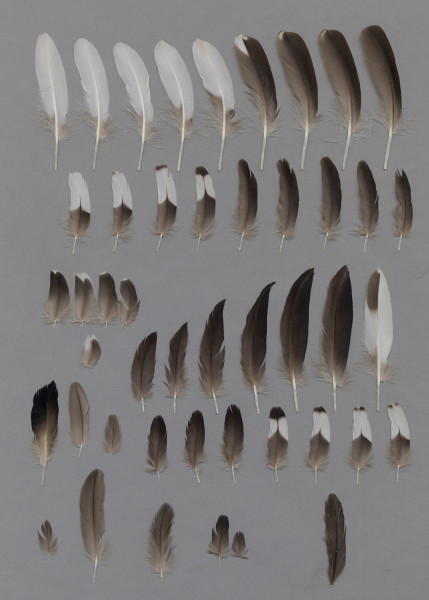
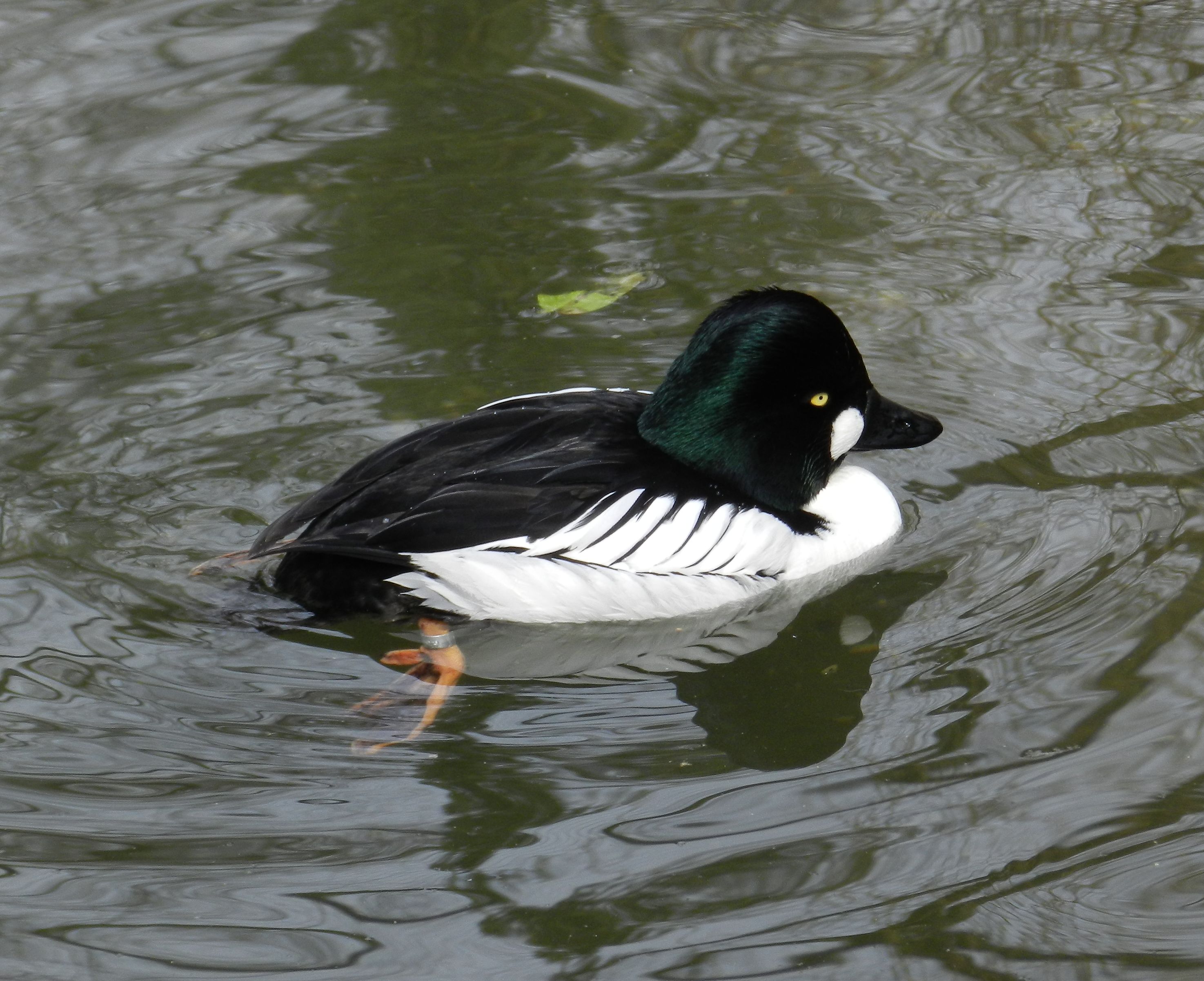
画像. 915 ad. オス © Nekane Manjón Navarro
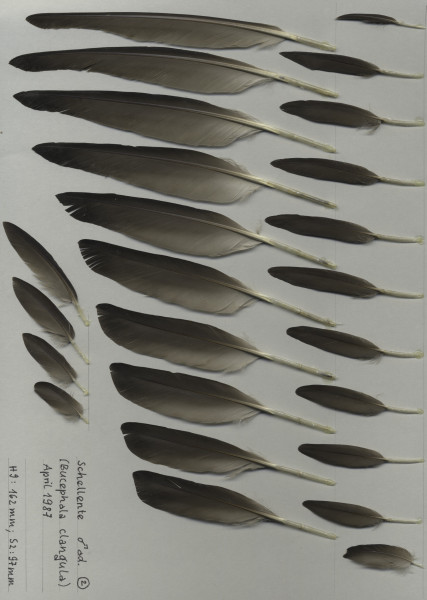
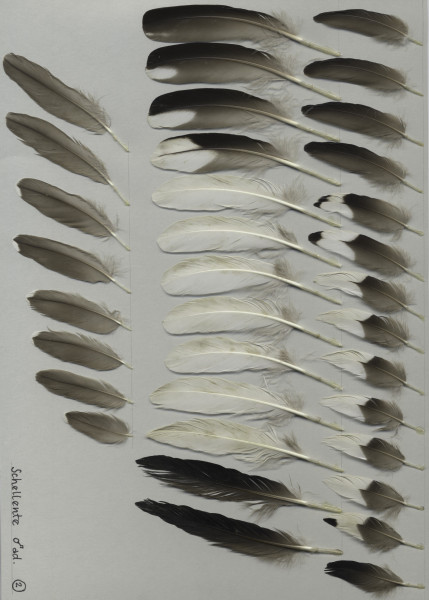
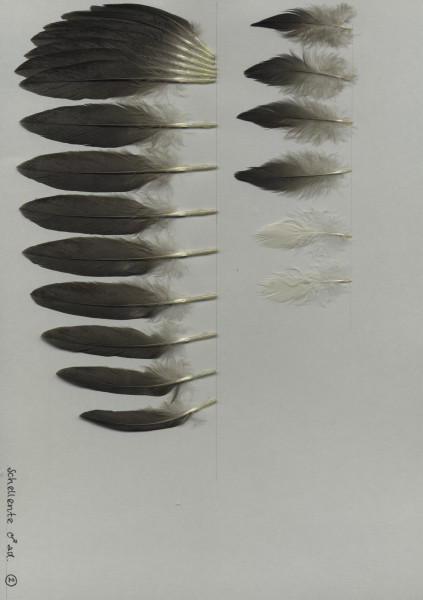
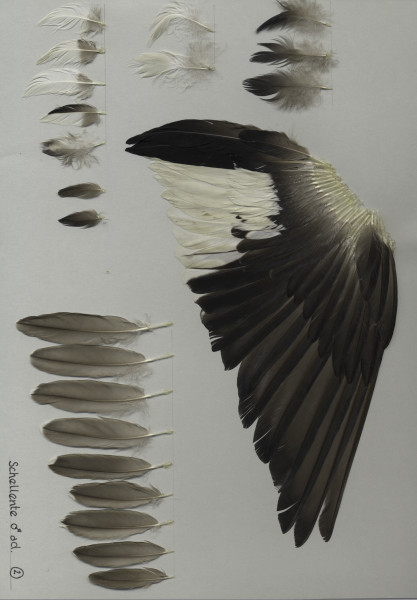
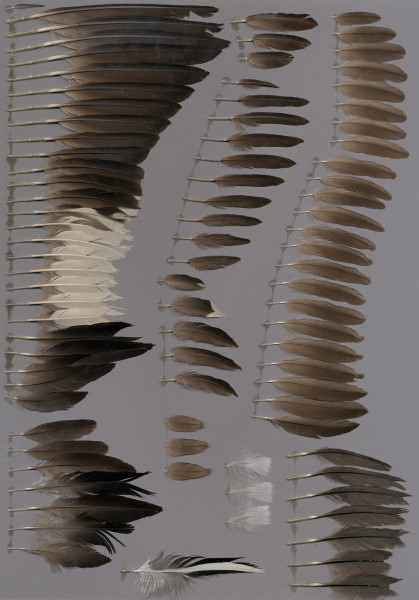
成鳥 メス
成鳥 オス
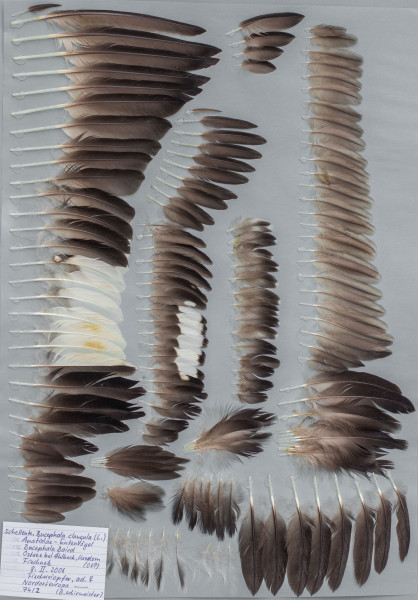
最長 最長初列風切の長さ分布 最小の個体 最大の個体
初列風切 10 /翼 146.0 - 167.0mm n=11
P9 (91%) P8 (9%)
11826 9902
次列風切 16-18 /翼 91.0 - 117.0mm n=9
S13 (44%) S12=S13 (33%) S14 (11%) S11 (11%)
11826 9902
尾羽 16
87.5 - 101.5mm n=6
T3 (50%) T2 (33%) T2=T3 (17%)
wing length1 hand-wing-index1,2 (HWI) primaries-index wing length/longest primary ratio hand-wing-index/primaries-index ratio
187 - 229mm n=12 49 - 53% n=8 36 - 41% n=11 ⌀132% データがありません
detailed information

The wing length is measured on the flattened and straightened wing ("maximum chord") from the carpal joint to the tip of the longest primary feather, the so-called "Kleinschmidt-method".

combined data from:
Avonet1: 187 - 229mm n=10
Featherbase: 190 - 203mm n=2

The hand-wing-index, introduced by Kipp 1959, is calculated as the ratio of the hand length (difference between the length of the longest primary and the first secondary) to the wing length.

combined data from:
Avonet1: 49 - 53% n=8,
The primaries-index is calculated as the ratio of the longest primary feather length to the first (outermost) secondary. It is the equivalent of the hand-wing index for feather measurements. The wing length/longest primary ratio is calculated as the ratio of the wing length to the length of the longest primary feather. The hand-wing-index/primaries-index ratio is calculated as the ratio of the hand-wing index to the primaries-index.
1 Tobias, J. A., et al. (2022). AVONET: morphological, ecological and geographical data for all birds.
2 Kipp, Friedrich A.: "Der Handflügel-Index als flugbiologisches Maß", erschienen in "Vogelwarte - Zeitschrift für Vogelkunde", 1959, Band 20, Heft 1


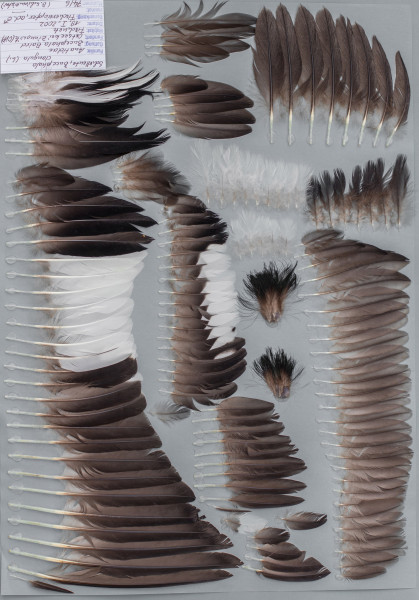
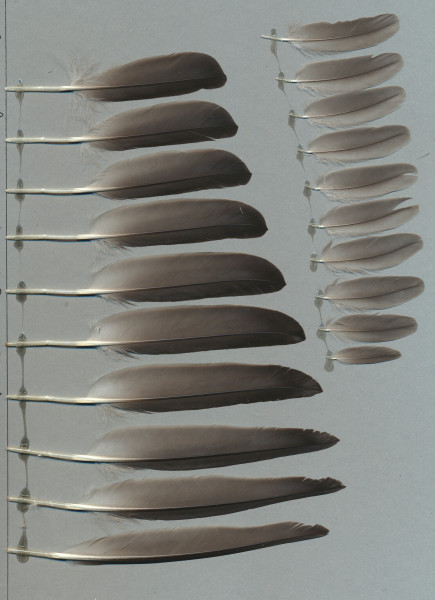
成鳥 メス
成鳥 メス
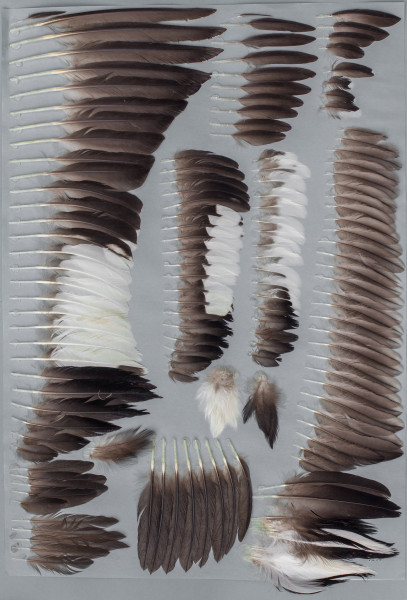
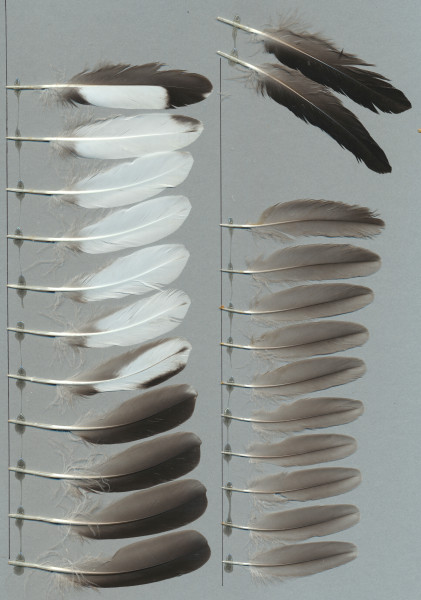
若鳥 オス
若鳥 オス
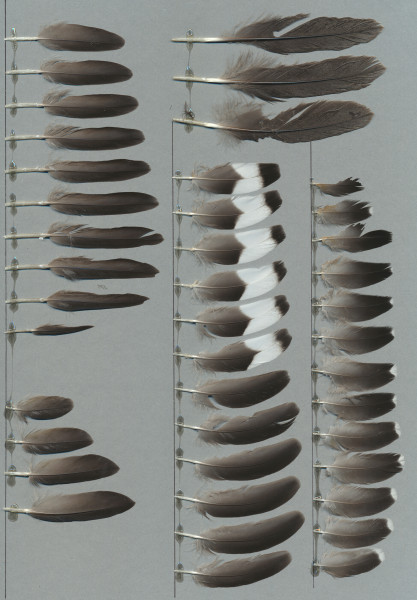
メス
標本ギャラリー

国別割り当て

Ducks, geese and swans

保全状況

  • ワシントン条約(CITES)
    リストに存在しない
  • 欧州員会規則 (EC) No. 865/2006
    リストに存在しない
  • ドイツ連邦自然保護法 第44条
    保護されています
  • listed in hunting law