do_not_translate_yet:measurements_remarks.number_of_individuals n
do_not_translate_yet:measurements_remarks.selection_of_individuals
do_not_translate_yet:measurements_remarks.method_title
do_not_translate_yet:measurements_remarks.method


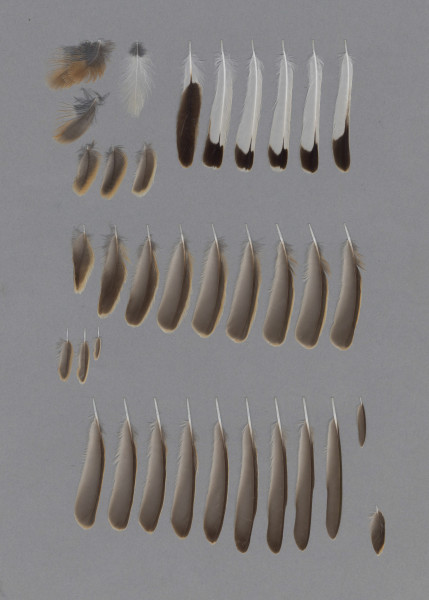
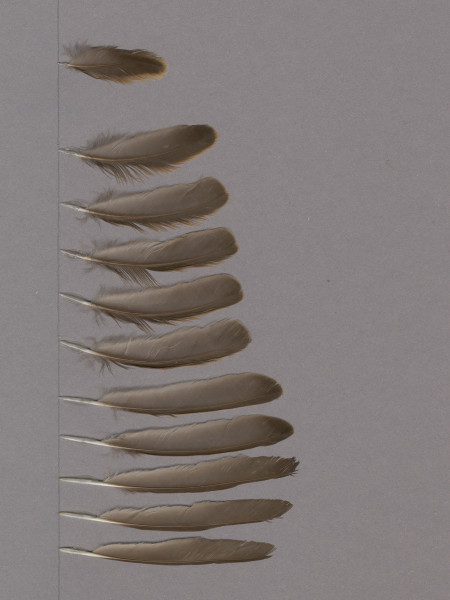
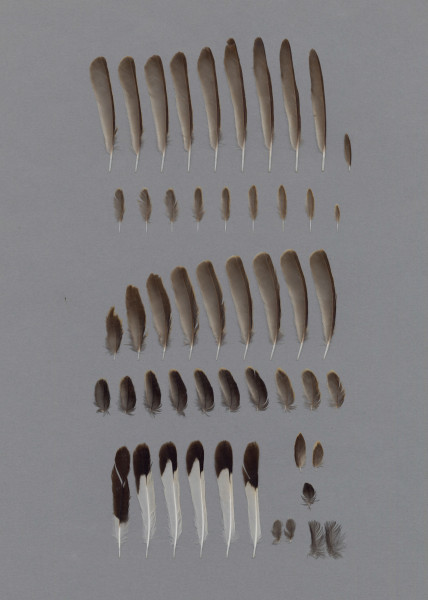
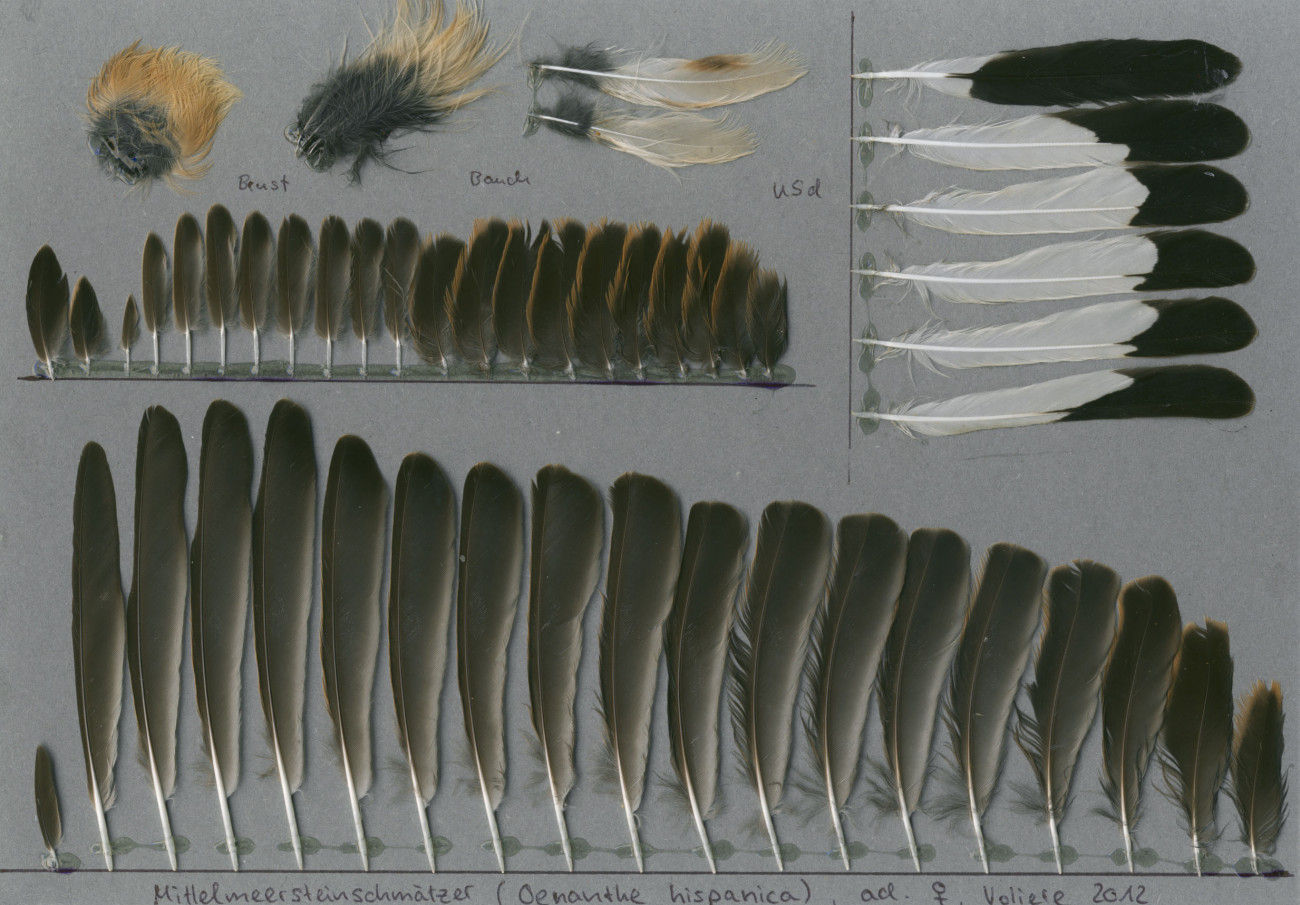
Die Handschwingen sind beim Männchen dunkel graubraun gefärbt. Die Außenfahne besitzt eine feine weißbraune Kontur. Die Spitze der inneren Handschwingen ist schmal gelbbraun gesäumt. Die Innenfahne ist nur leicht aufgehellt. Die Armschwingen sind ebenfalls dunkelgrau mit einer dunkleren Außenfahne. Auf dieser findet sich eine proximal größer werdende cremefarbene Kontur. Die Spitze der Armschwingen ist ebenfalls rahmfarben aufgehellt. Auf den Schirmfedern vereinigen sich diese Kennzeichen zu einer cremefarbenen Federumrandung.
Die Steuerfedern sind im Grunde weiß mit einer schwarzbraunen bis schwarzen Spitze. Diese Spitze verläuft oft am Kiel noch ein Stück keilförmig richtung Basis. An der Spitze findet sich eine cremefarbene Kontur. Die S1 besitzt einen deutlich geringeren Weißanteil, welcher sich nur auf den basalen Teil der Feder beschränkt. Die Steuerfedern der Steinschmätzer variieren stark in ihrer Ausprägung des Weißanteils, der Verteilung und des Subterminalbandes.
Die H6-8 sind im oberen Teil der Außenfahne verengt.
Im Vergleich zum Steinschmätzer (Oenanthe oenanthe) ist die H10 in Relation zur H9 etwas größer.
| feather | number | longest |
|---|---|---|
| primary | 10 per wing |
74.5 - 76.5mm
n=3 P6 (33%) P7 (67%) |
| secondary | 9 per wing |
60.0 - 63.0mm
n=3 S1 (67%) S2 (33%) |
| retrix |
12
|
64.5 - 67.5mm
n=3 R4 (67%) R5 (33%) |
|
do_not_translate_yet:measurements_remarks.title
do_not_translate_yet:measurements_remarks.number_of_individuals ndo_not_translate_yet:measurements_remarks.selection_of_individuals do_not_translate_yet:measurements_remarks.method_titledo_not_translate_yet:measurements_remarks.method do_not_translate_yet:measurements_remarks.percentage_titledo_not_translate_yet:measurements_remarks.percentage |
||