


Menu

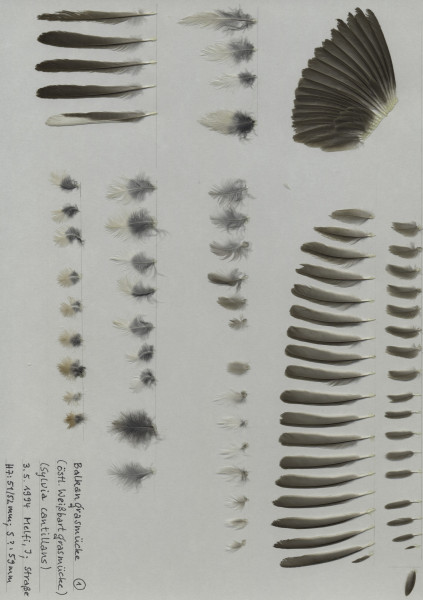
Fauvette passerinette
Curruca cantillans
espèce des Sylviidae


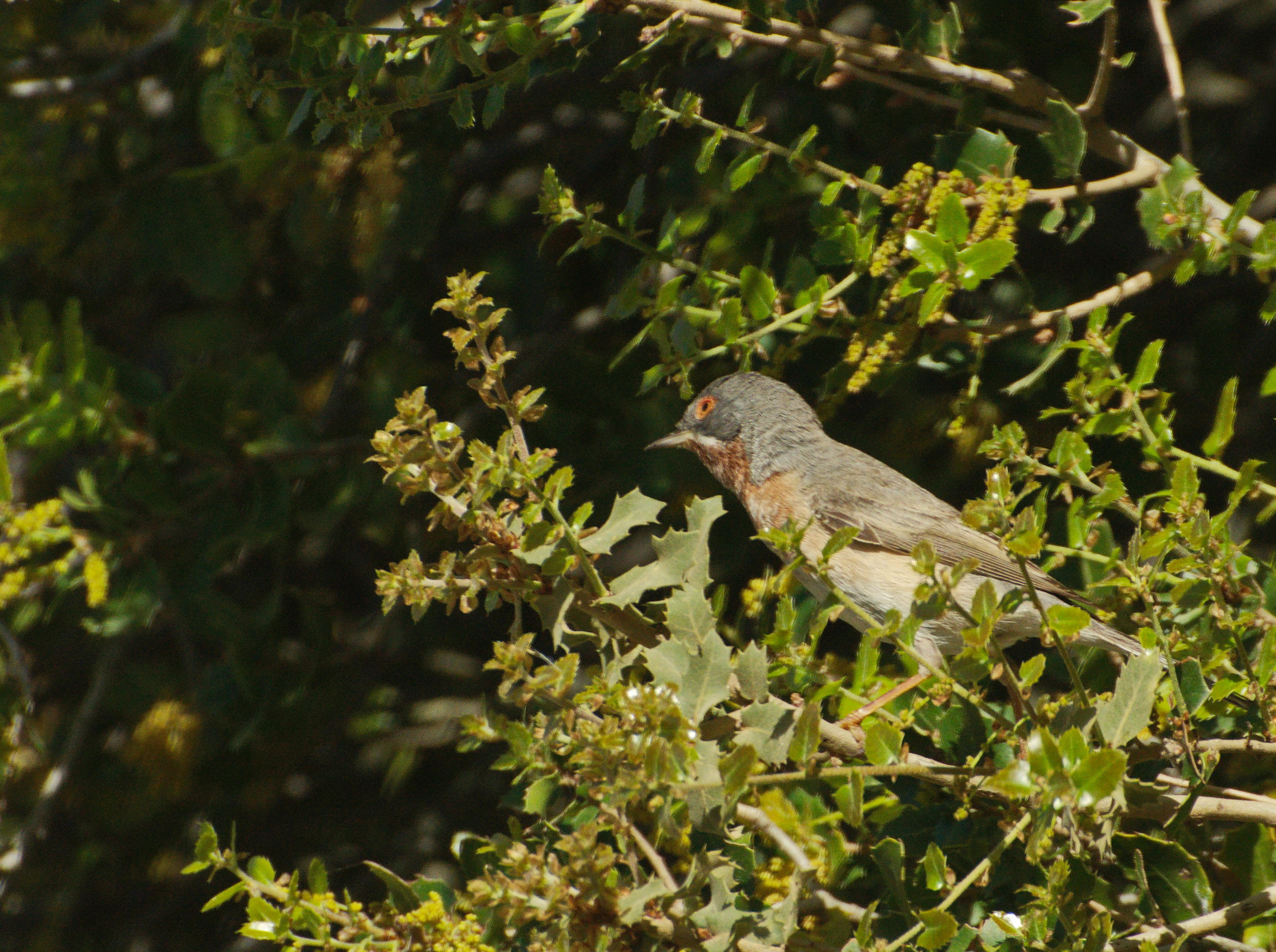
© Sylvia Urbaniak
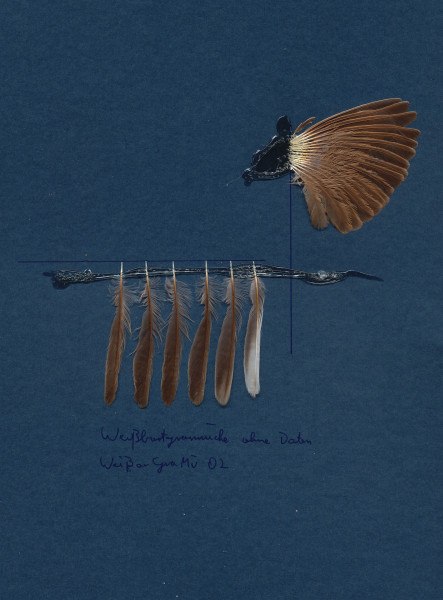
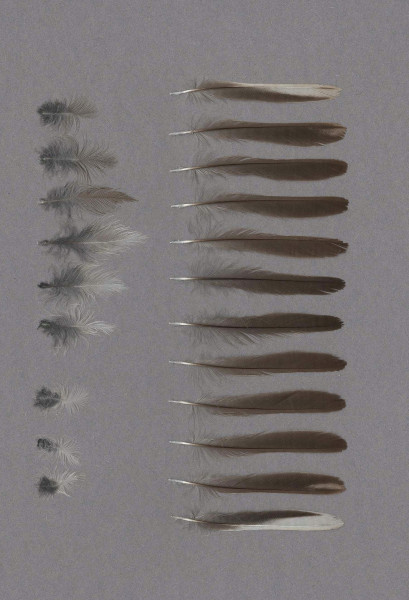
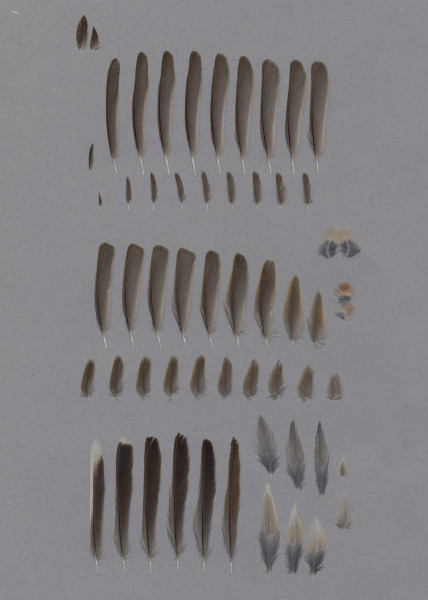
2nd cy Mâle
2nd cy Femelle
nombre plus longue
rémige primaire 10 par aile 51.0 - 54.5mm n=3
P7=P6 (100%)
rémige secondaire 9 par aile 44.0 - 47.0mm n=4
S1 (75%) S2 (25%)
rectrice 12
55.0 - 60.0mm n=4
R2=R3 (50%) R3 (25%) R2=R3=R4=R5 (25%)
wing length1 hand-wing-index1,2 (HWI) primaries-index wing length/longest primary ratio hand-wing-index/primaries-index ratio
Aucune donnée disponible Aucune donnée disponible 14 - 16% n=3 Aucune donnée disponible Aucune donnée disponible
detailed information

The wing length is measured on the flattened and straightened wing ("maximum chord") from the carpal joint to the tip of the longest primary feather, the so-called "Kleinschmidt-method".

combined data from:

The hand-wing-index, introduced by Kipp 1959, is calculated as the ratio of the hand length (difference between the length of the longest primary and the first secondary) to the wing length.

combined data from:
The primaries-index is calculated as the ratio of the longest primary feather length to the first (outermost) secondary. It is the equivalent of the hand-wing index for feather measurements. The wing length/longest primary ratio is calculated as the ratio of the wing length to the length of the longest primary feather. The hand-wing-index/primaries-index ratio is calculated as the ratio of the hand-wing index to the primaries-index.
1 Tobias, J. A., et al. (2022). AVONET: morphological, ecological and geographical data for all birds.
2 Kipp, Friedrich A.: "Der Handflügel-Index als flugbiologisches Maß", erschienen in "Vogelwarte - Zeitschrift für Vogelkunde", 1959, Band 20, Heft 1


2nd cy
Femelle
Femelle

Allocations nationales

Songbirds and kin

Sous-espèce

Répartition

Statut de conservation

  • CITES
    non listé
  • Règlement (CE) n o 865/2006
    non listé
  • Loi fédérale allemande sur la conservation de la nature (FNCA) §44
    Protégé