

menu

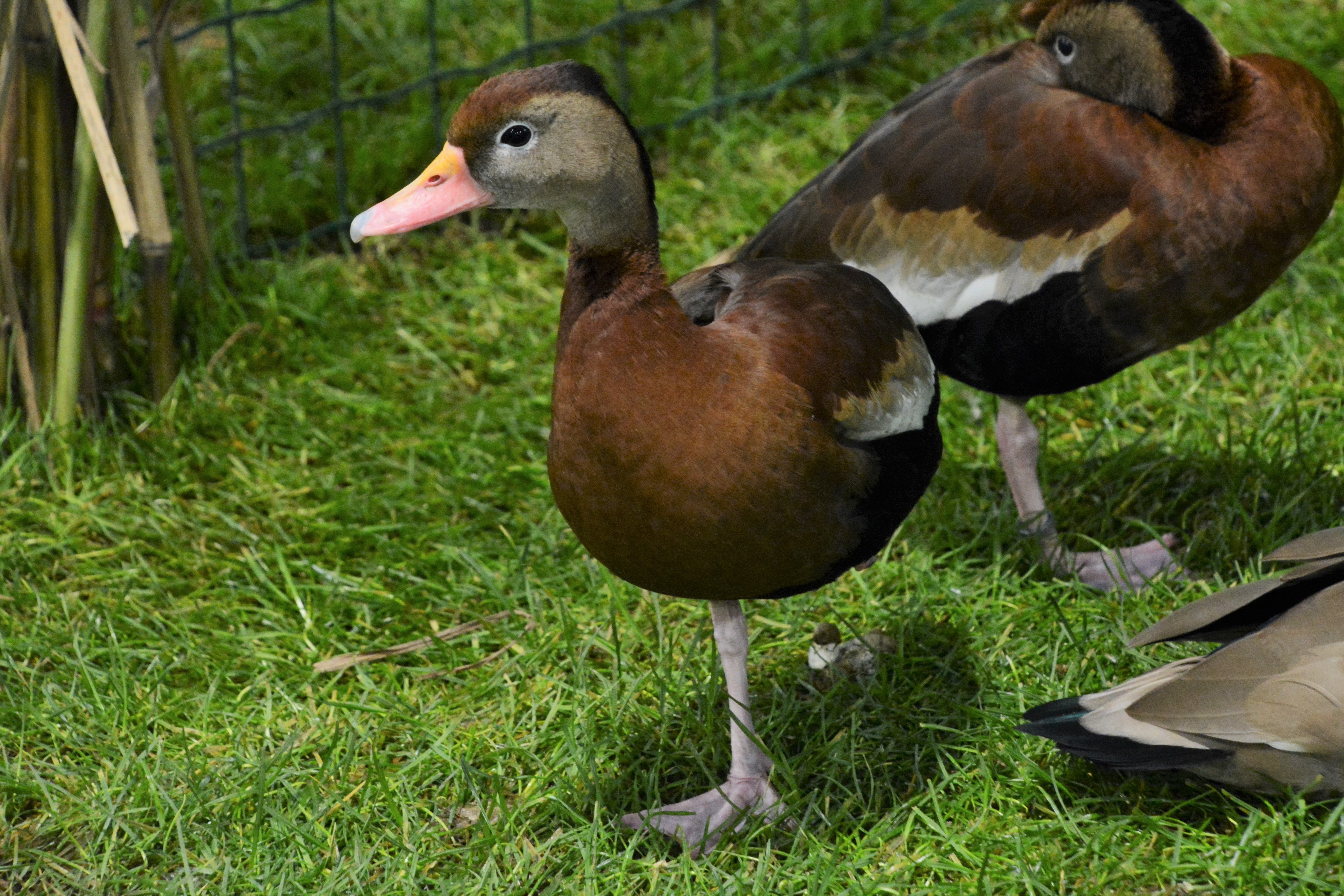
Black-bellied Whistling-Duck
Dendrocygna autumnalis
species of Anatidae


© Jo Kuyken
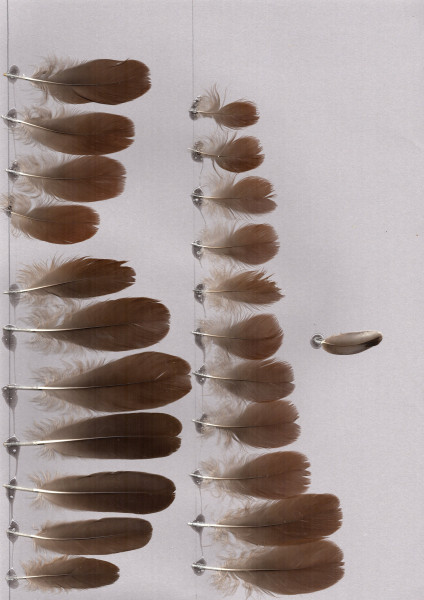
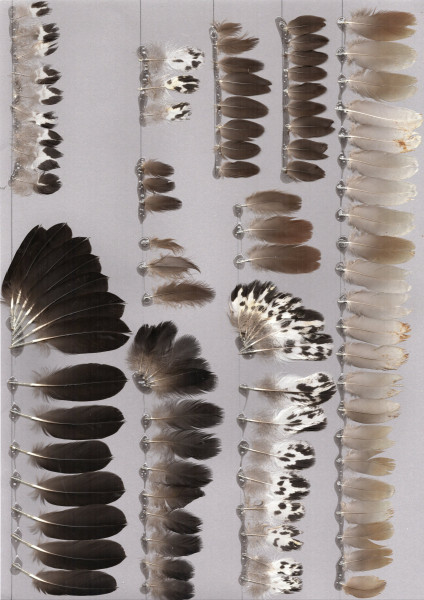
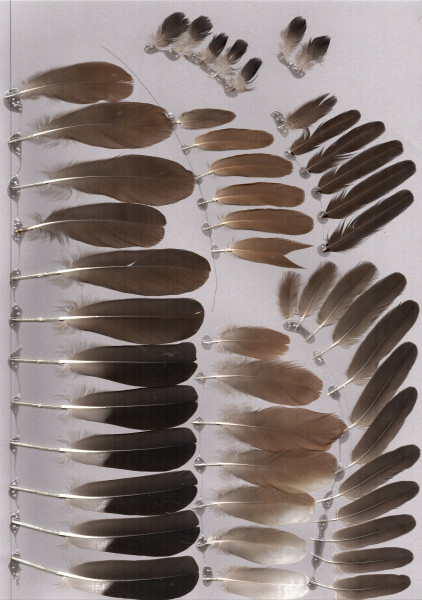
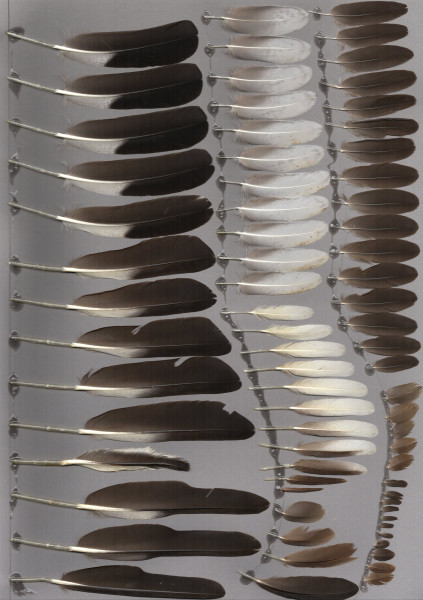
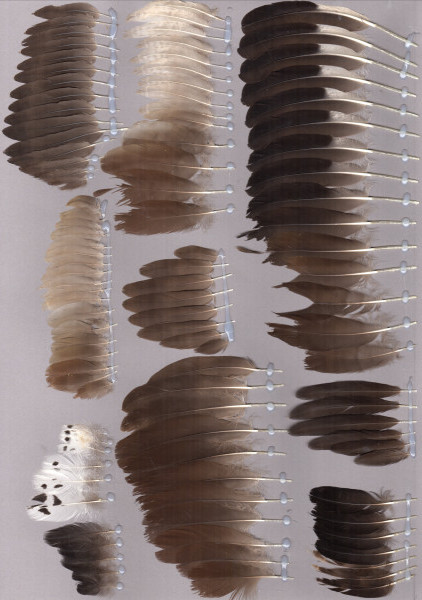
ad.
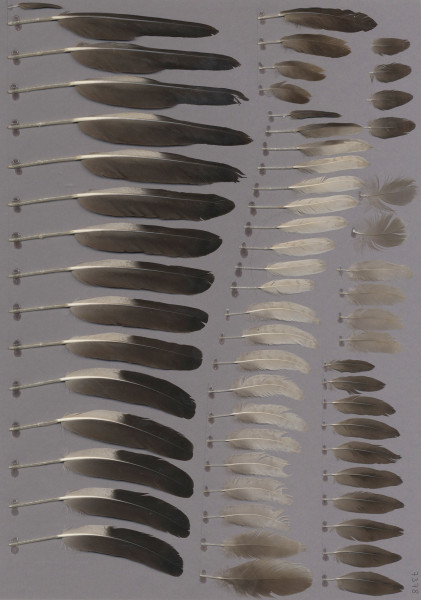
juv.
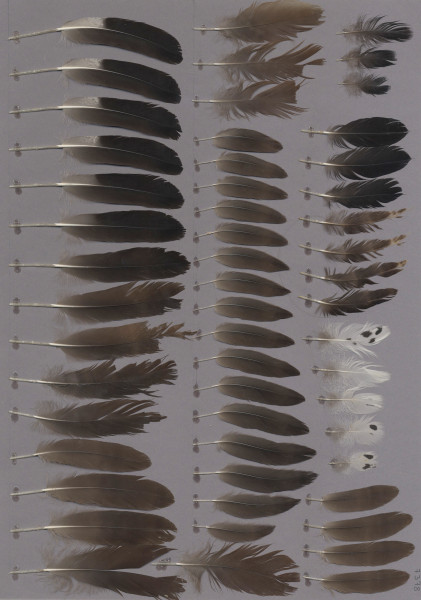
2nd cy
number longest
primary 10 per wing approx. 173.0mm n=1
P7 (100%)
secondary 17 per wing 132.5 - 146.0mm n=2
S14 (50%) S2 (50%)
retrix 14
83.0 - 84.5mm n=2
R4 (50%) R1 (50%)
wing length1 hand-wing-index1,2 (HWI) primaries-index wing length/longest primary ratio hand-wing-index/primaries-index ratio
228 - 262mm n=6 30 - 33% n=4 24 - 24% n=1 no data available no data available
detailed information

The wing length is measured on the flattened and straightened wing ("maximum chord") from the carpal joint to the tip of the longest primary feather, the so-called "Kleinschmidt-method".

combined data from:
Avonet1: 228 - 262mm n=6

The hand-wing-index, introduced by Kipp 1959, is calculated as the ratio of the hand length (difference between the length of the longest primary and the first secondary) to the wing length.

combined data from:
Avonet1: 30 - 33% n=4,
The primaries-index is calculated as the ratio of the longest primary feather length to the first (outermost) secondary. It is the equivalent of the hand-wing index for feather measurements. The wing length/longest primary ratio is calculated as the ratio of the wing length to the length of the longest primary feather. The hand-wing-index/primaries-index ratio is calculated as the ratio of the hand-wing index to the primaries-index.
1 Tobias, J. A., et al. (2022). AVONET: morphological, ecological and geographical data for all birds.
2 Kipp, Friedrich A.: "Der Handflügel-Index als flugbiologisches Maß", erschienen in "Vogelwarte - Zeitschrift für Vogelkunde", 1959, Band 20, Heft 1


juv.

country allocations

Ducks, geese and swans

conservation status

  • CITES
    not listed
  • Regulation (EG) Nr. 865/2006
    not listed
  • German Federal Nature Conservation Act §44
    not listed